Can you bring to life how the last 6 months have gone for you as a project leader?
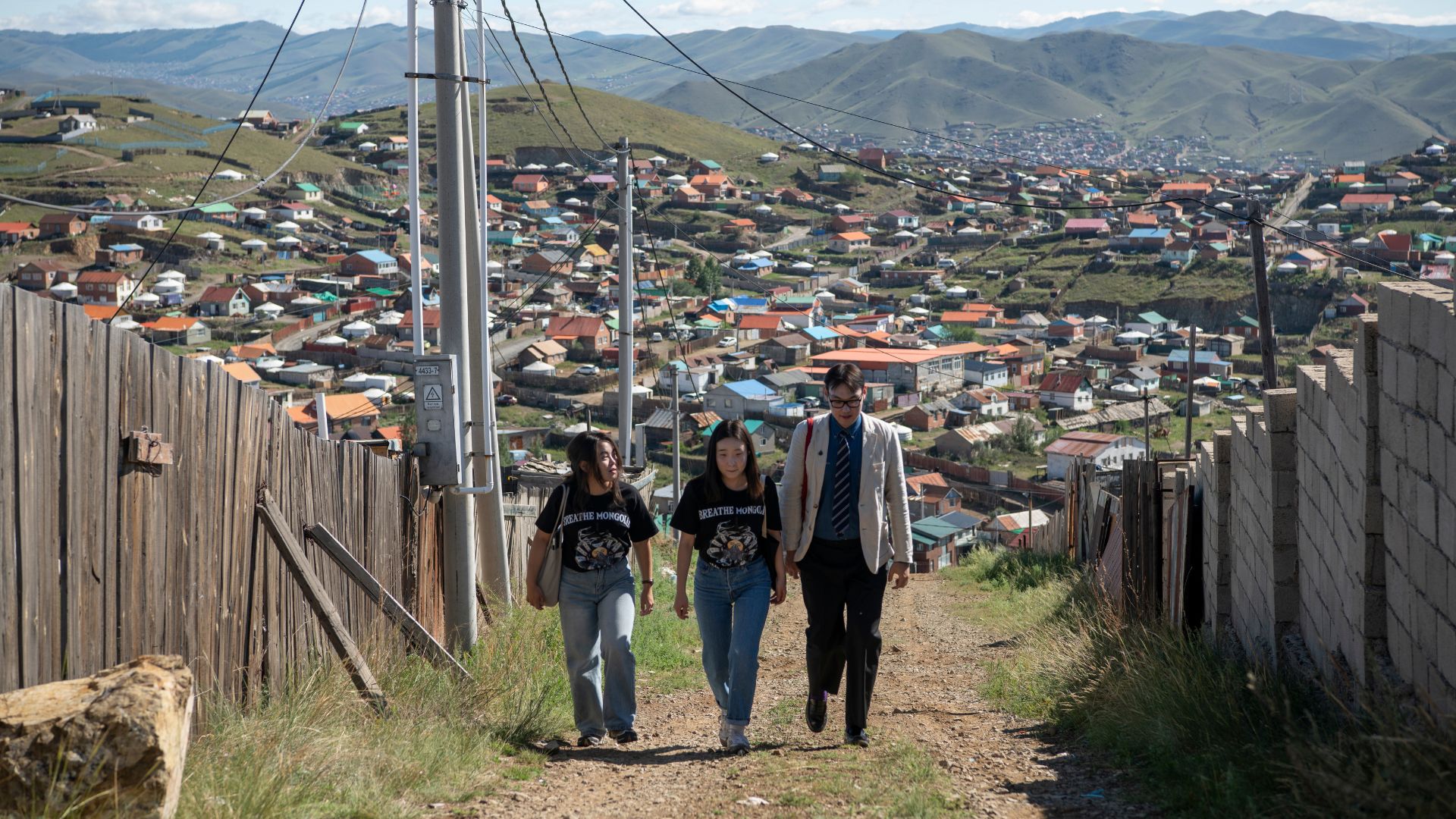
A lot has happened this year. February marked the end of the winter heating season, which coincided with our primary data collection period. During this time, we travelled to Bayankhongor province to conduct citizen interviews and attend a first-of-its-kind public hearing. Our goal was to monitor the proceedings and determine whether elements of justice (specifically procedural justice) were present. We also used this opportunity to speak with decision-makers about what policy implementation looks like on the ground.
In numbers, we have completed 21 interviews with impacted rightsholders in Ulaanbaatar and Bayankhongor province, 10 expert interviews, a legal analysis of key air pollution laws against four dimensions of justice (distributive, procedural, recognition, capabilities), and 5 interviews with local khoroo (administrative subdivision of Ulaanbaatar) governors on policy implementation.
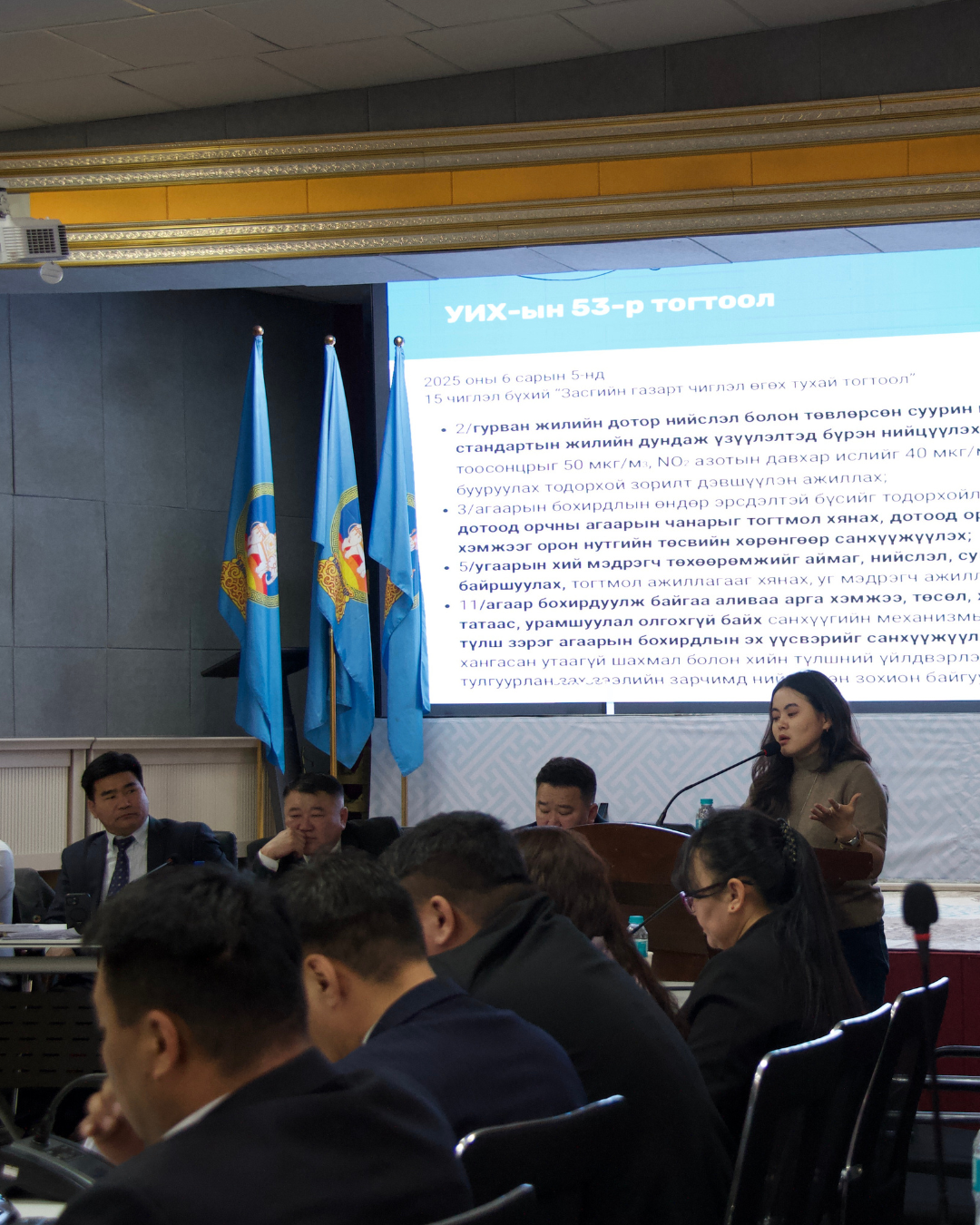
Attending the provincial hearing was a significant step, as it was the first time Breathe Mongolia engaged in a formal process outside of the “capital bubble.” However, the experience brought frustration. It became clear that many promised policies had not yet been implemented. There was a sense that nothing had changed, and that all the attention was still on the capital. While the hearing followed official procedures, there seemed to be little intention to make the process truly inclusive. These observations, coupled with talks about a new coal power plant opening, underscore the challenges we face.
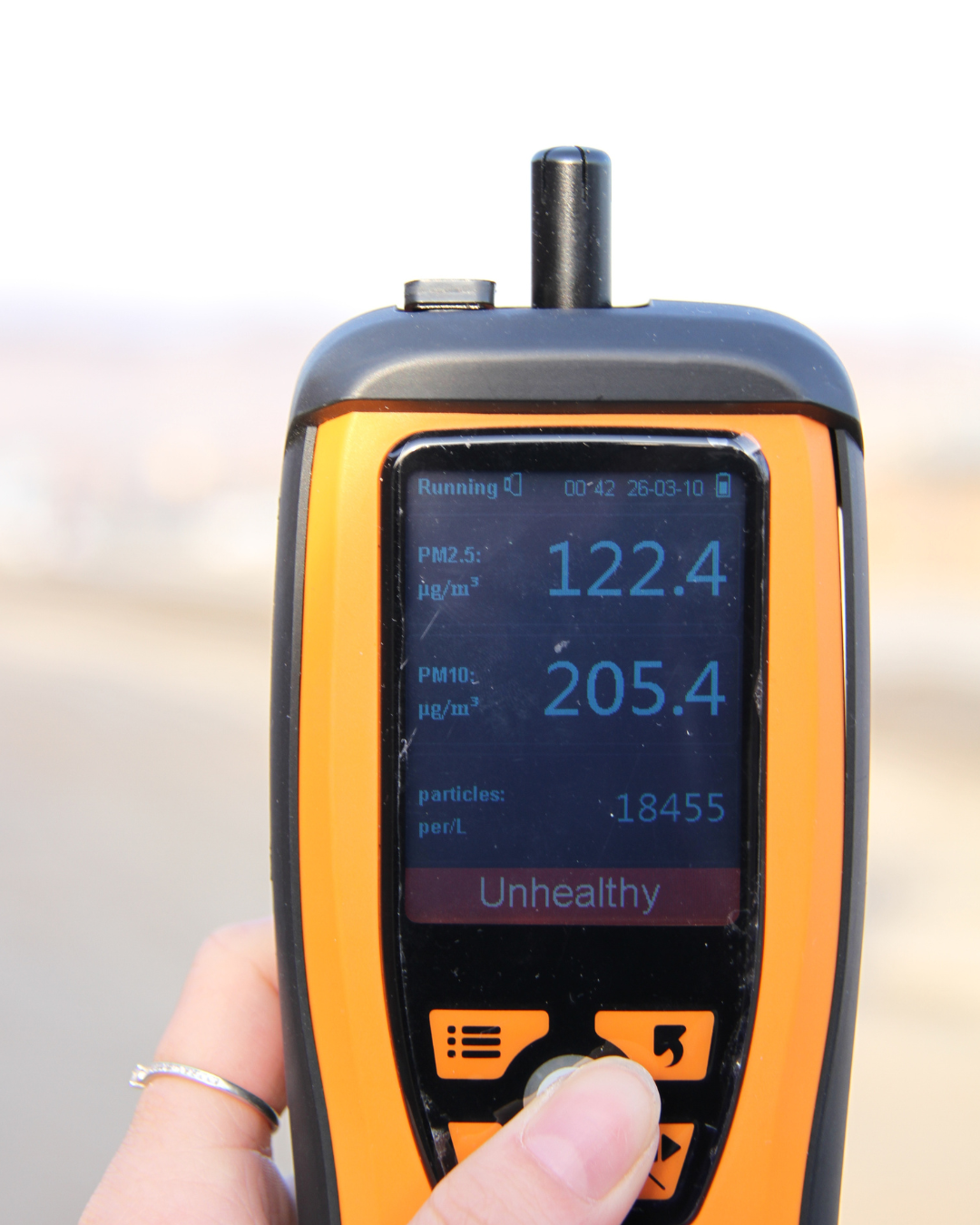
By June, we completed a draft analysis on the justice and implementation of air pollution policies, which unfortunately concluded that current efforts are insufficient. We used this draft to engage the government, sending questions to officials to give them a chance to respond. We are now conducting a thematic analysis, cross-referencing our interviews with legal findings to identify patterns across narratives and lived experiences. Moving forward, our analysis will focus heavily on procedural justice, culminating in a plan to disseminate our findings to both youth and policy-makers.
On a brighter note, our team is expanding! We’ve hired two new policy officers who will support our legal and policy lead. We’re also building an environmental justice (EJ) movement in Mongolia by developing a Mongolian-language EJ vocabulary, grounded in air pollution as our case study.
We organised three co-creation workshops and started the conversation with 11 organisations across climate, human rights, governance, urban planning, and gender justice, working towards a shared EJ vocabulary and definition. The workshops have also pointed us towards a glossary, a handbook, and a historical record of Mongolia’s past EJ movements as useful next outputs. We expect to publish the full research report by the end of September and the glossary or handbook by the end of 2026. Alongside the publications, we are planning advocacy activities and campaigns that will build on the research findings above (e.g., in reforming the Law on Air to redirect coal subsidies to renewables, targeting the implementation of NDC 3.0, improving procedural justice at the district level).
What has changed for you and the project since winning the prize? Were any of these outcomes unexpected or surprising?
Since winning the prize, we’ve gotten more recognition and coverage in areas where we aren’t usually known. Our project was spotlighted in a children’s magazine, for instance, and seen by someone quite important in our field. Funders and applications often ask for evidence of coverage, so the visibility The Iris Project has given us has helped a lot. We also got two new funding sources and partners, and we began working as a Responsible Party with the UNDP Mongolia on a project to transition Ulaanbaatar’s ger area households from coal-based heating to solar facilities.
Of course, this growth comes with its own set of challenges. Internally, we have navigated a lack of experience in academia and research methodology, though our expanding team is quickly closing that gap. Externally, disruptions such as the fuel shortages last winter restricted our travel and forced us to narrow our geographic scope. These constraints, while difficult, ultimately helped us focus our study more specifically on air pollution under the guidance of our advisors.
How has running the project changed the way you think, lead or act in your community?
To foster this movement, we held three meetings with various Civil Society Organisations (CSOs) to discuss environmental justice through a Mongolian lens. These meetings allowed us to connect with established activists from older generations, emphasising the vital role of intergenerational collaboration. While these interactions were empowering, they also highlighted a gap: decades of advocacy efforts have often gone undocumented. We realised it is essential to record these efforts through a formalised vocabulary, storytelling, and digital media to build a lasting body of evidence.
We talked with CSOs not only in the environmental space, but also covering other topics, like gender justice, mental health, and education. One conversation that really stood out was about Mongolia’s nomadic culture and how it interacts with today’s urbanised, settled ways of living, and the different ways we have become physically disconnected from nature.
This gave us the perspective that our efforts have already been in the works long before us, so it is important to collaborate rather than try doing everything by ourselves.
How have you found working with The Iris Project in a trust-based, unrestricted way? How has this felt as a grantee?
The Iris Prize has allowed us to reimagine the funder-grantee relationship in two ways. One, it can be a reciprocal relationship, without unequal power dynamics being the underlying factor in all communication. Two, it has pushed us to fundraise in a much more value-aligned way: doing our own due diligence on our funders, too.
We feel a higher responsibility because the relationship is trust-based. The trust is there from the other side, so we want to deliver. The mentorship has really boosted our confidence in managing the grant. We feel very close to The Iris Project team through our mentors, and they provide a safe and open space to ask questions. The capacity building offered was comprehensive, with the digital security training and guide being particularly useful.
If you could give one piece of advice to someone beginning their journey as an environmental leader what would that be?
Enkhuun: “We underestimate how much has already been done and tried, so it is important to talk to other leaders, hear stories and collaborate intergenerationally.”
Finally, what are some exciting things coming up for yourself and your project?
Two particularly exciting things are coming up. This autumn, I will be starting my master’s at the University of Oxford, which I consider both a personal and an organisational achievement – something I couldn’t have done without Breathe Mongolia.
Before then, we will be participating in UNCCD COP17 in Ulaanbaatar to continue our advocacy on a global stage. At the end of September, we will also release our report on the justice and implementation of air pollution policies, a cornerstone of our long-term strategy. To sustain this momentum, we are hiring an advocacy officer who will take the lead on these initiatives following a year of dedicated training. While our leadership is evolving, these transitions mark the start of exciting new beginnings for the project.
Environmental justice is an intergenerational effort, so be curious, ask for your elders’ wisdom, and remember who was there before you.