Can you bring to life how the last 6 months have gone for you as a project leader?
These past few months have been quite eventful. Young people lead very dynamic lives, so with people moving away and starting new jobs, we’ve had some changes in leadership. But despite the challenges that come with flexible leadership, we managed to prioritise fieldwork, and we are proud of what we’ve accomplished.
Five team members were certified in community-based water quality monitoring by Global Water Watch, and we acquired the equipment needed to carry out this work independently.
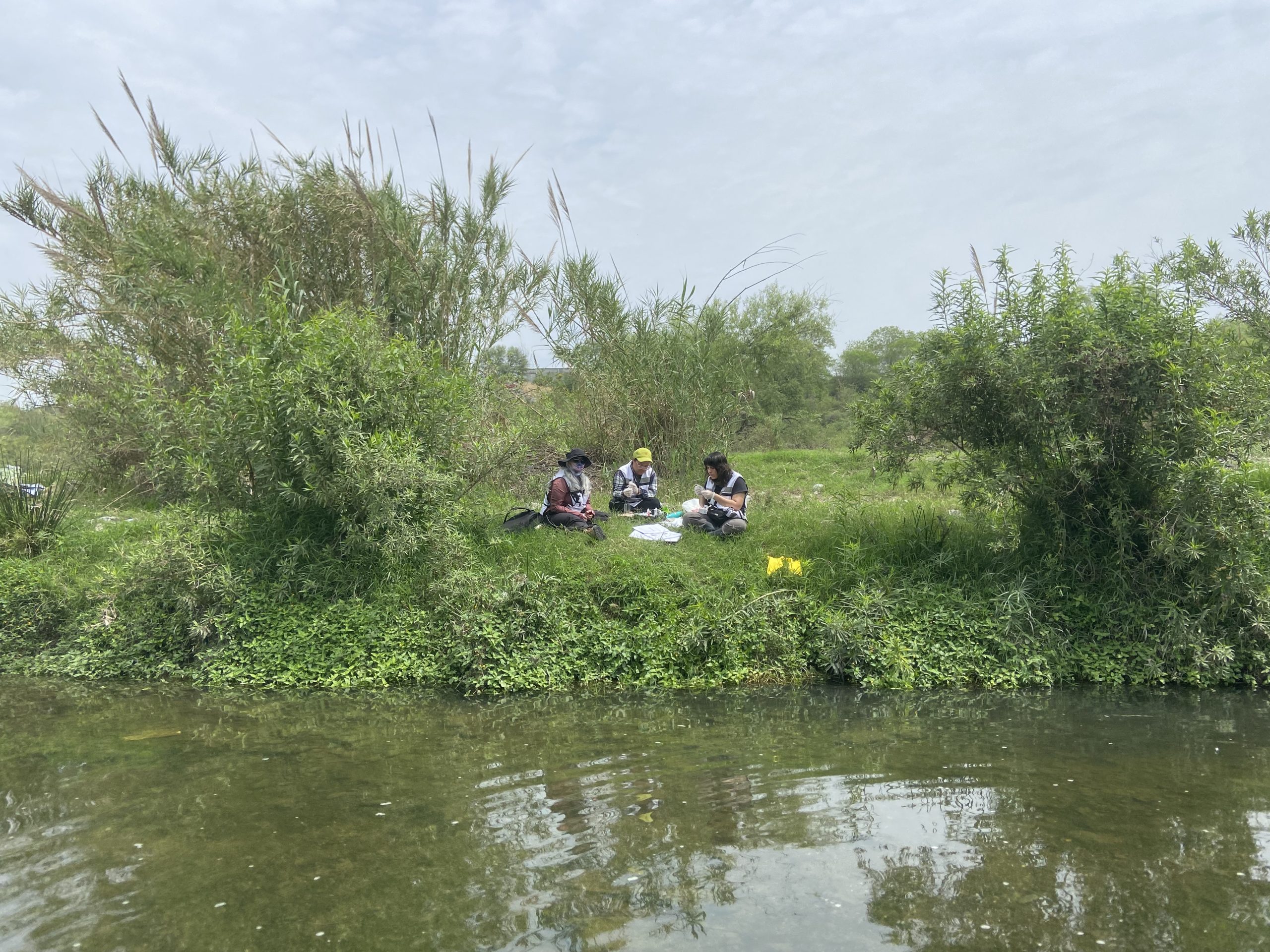
With the Global Water Watch certification, we formalised and systemised three years of informal monitoring. This has helped us understand how one river stretch changes across the whole year. It also made us more observant of what the river is trying to tell us. Now we can better identify sewage outfalls through chemical data as well as through observational cues, like changes in the water itself and the birds around the Santa Catarina River.
We kept up our water quality monitoring field trips, which usually mean tight full-day schedules. We began monitoring water quality at three new sites in the peri-urban areas of the Santa Catarina River that we hadn’t been able to reach before. We also purchased a drone and are receiving training to generate aerial imagery and monitor riparian vegetation in previously undocumented areas.
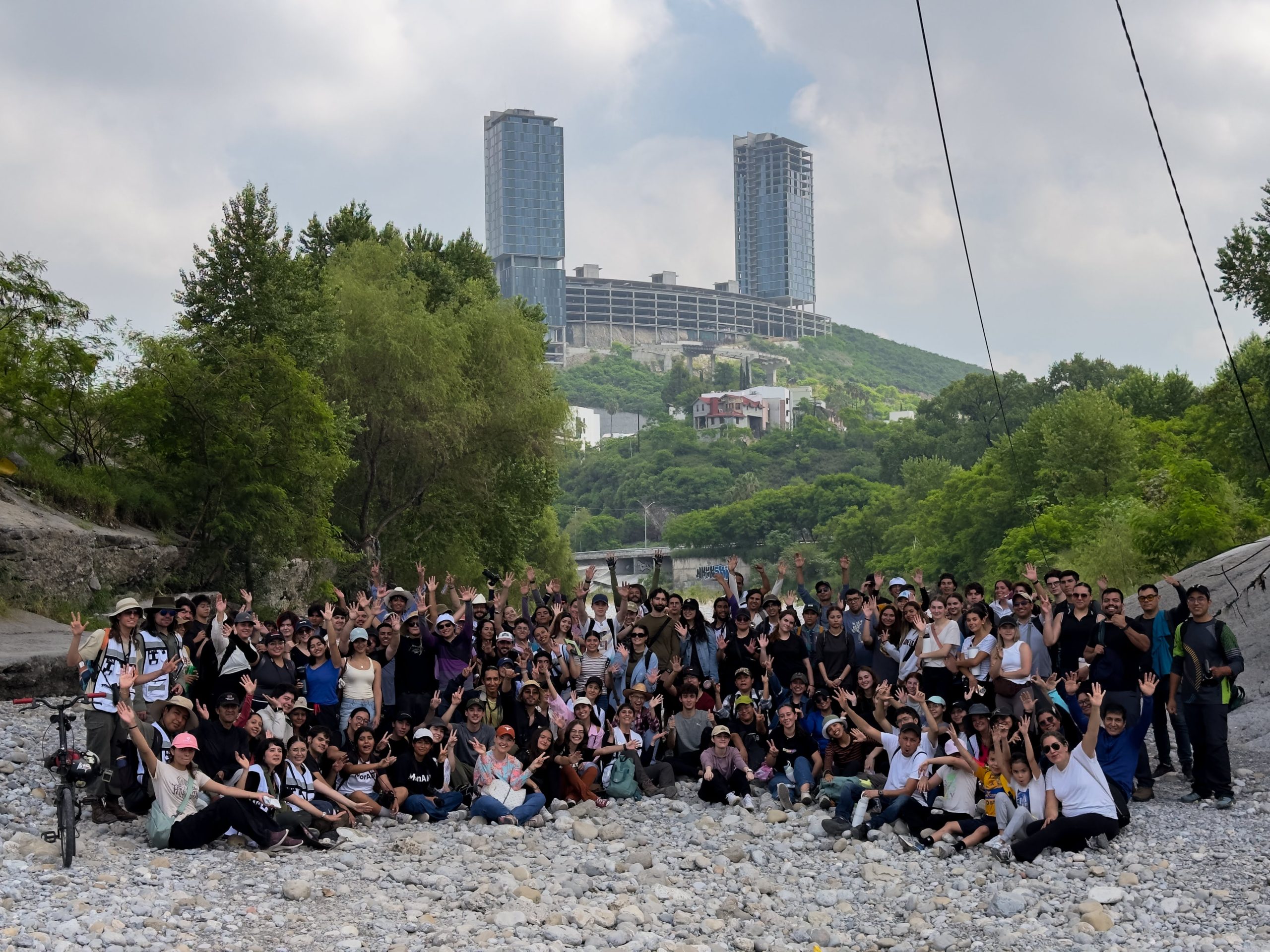
We established collaborations with two priority riverside communities, Los Pinos and Las Sabinitas, where we will implement the second edition of the River Stewards programme with children and young people. This feels incredibly important, because in the three years of doing this work, we haven’t been able to connect directly with communities living along the river.
Our project has also gained greater institutional credibility: Pronatura Noreste has offered to act as our fiscal sponsor for future funding opportunities.
A lot has happened this year, and balancing our project with all the travel and shifting team circumstances has not been easy. Even so, these changes and advances have increased our capacity to generate evidence, work with communities across a wider section of the river and contribute more effectively to the broader strategy for its protection.
What has changed for you and the project since winning the prize? Were any of these outcomes unexpected or surprising?
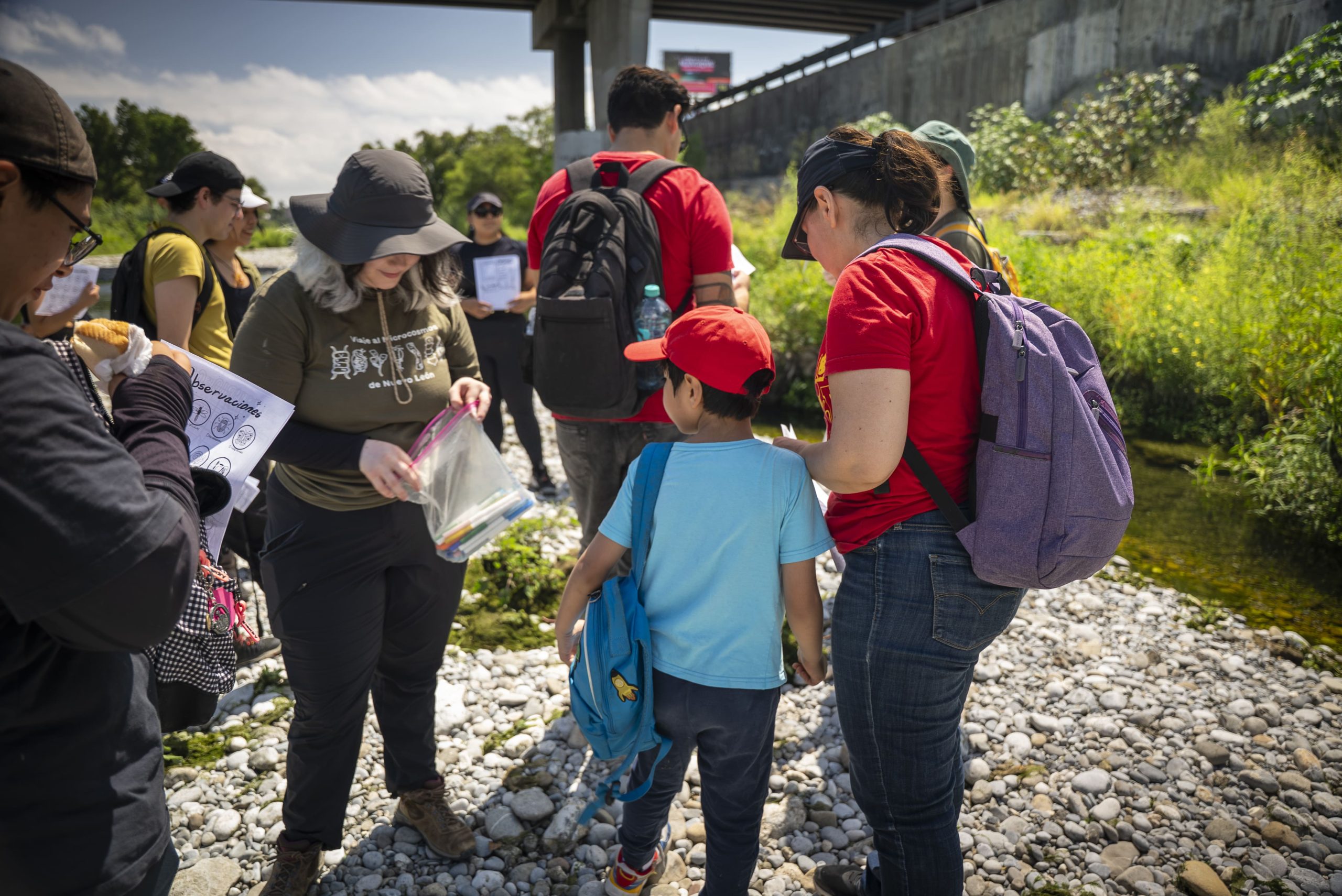
A major change was the leadership shift. We are now organised across three main tracks, each with its own lead: River Stewards, water monitoring, and prototyping a river model at a local makerspace. We pivoted our River Stewards programme from an open call to targeted schools and NGOs, and our priority has been reaching public schools. We’ve already run a short summer camp session with our first NGO partner, and we’ll be running more this month. Outreach has been slow, though, as every institution has its own requirements.
Getting protected natural status for the Santa Catarina River is also something very close to our hearts. We’ve managed to secure funding for a biodiversity study to support this case. Un Río en el Río is leading the policy and government engagement, and we, as Viaje al Microcosmos, are building community support around the river to strengthen the case for protected status. This is where our work with youth and children matters most: focusing on children builds long-term care for the river, and with that, public support needed to protect it. The ideal outcome from this fight would be to get at least part of the river included in a federal restoration effort now, and use that as a step towards broader protected status later.
Several things outside of our control have made the project more challenging to deliver. Inside the team, shifts in work and study commitments have affected schedules and availability, requiring us to adjust responsibilities and timelines. Infrastructure works tied to preparations for the 2026 World Cup have increased pressure on the Santa Catarina River and made it more difficult to communicate the need to protect it from further intervention. State and municipal elections are coming up, and although the river is receiving more public attention, that has mostly resulted in one-off clean-ups rather than sustained progress towards its designation as a protected natural area. The federal government’s renewed interest in hydraulic fracturing is a growing concern, as areas of Nuevo León are under consideration for this type of extraction, which would potentially put regional water systems, including the Santa Carina basin, at further risk.
But most importantly, since receiving the prize, we feel much more confident in our ability to lead, deliver and scale the project. The flexible funding, mentoring, training and recognition have enabled us to strengthen our technical capacity, expand into new communities and monitoring sites, and develop a more professional approach to our work.
How has running the project changed the way you think, lead or act in your community?
The leadership shift has been a smoother change of pace than we expected, with responsibility now shared more clearly across the team, which has taken pressure off individual team members.
Before the Stem Prize, everyone was volunteering and working with very limited resources, but the IP grant has expanded what felt possible and made us more confident that our work, even as an informal, youth-led group, deserves funding. It changed how we approach funding, too. Before hearing our mentor’s experience, it hadn’t occurred to us that we could ask for extra support on things like expensive monitoring certification (and now five of us have it!).
The funding we received also allowed us to reach and work in parts of the river we couldn’t access regularly. We used to see the most impacted urban area stretches, but now, the monthly visits to the other areas have broadened our team’s view of the river and made prevention and community building feel closer and more achievable.
We are also moving from one-off events to more structured programs with measurable impact over time, and thinking more strategically regarding long-term sustainability, including more grants and other support to avoid paying out of pocket.
The courses we’ve taken as part of the IP’s capacity-building programmes helped us think more seriously about how an organisation should operate: how to manage an organisation, how to protect our project information, and how to protect our collaborations and ourselves in the field. All of these have been incredibly important in keeping this project going.
How have you found working with The Iris Project in a trust-based, unrestricted way? How has this felt as a grantee?
Everyone we’ve met at The Iris Project has been helpful, kind, and encouraging. We are very grateful for the support, trust and opportunities provided over the past few months. The experience has helped us strengthen the project, expand our work and become more confident in our ability to grow it in a professional and sustainable way. It has also shown us the importance of having a clearer roadmap from the beginning for making the most of mentoring, training and fundraising opportunities alongside project implementation. The workshops covered things our team hadn’t thought about before: communications, PR, security, organisational structure, leadership and networking. The mentorship, advice and sessions we received were very practical; we have a running joke that even our shyest members can now talk to the press.
It also brought us credibility and influence. Thanks to the coverage, El Norte (a major local newspaper) noticed us and ran a full-page spread, which led to Andrea joining the paper’s editorial council as a young environmental voice. She can now suggest topics to the paper, which helps create ongoing coverage for Viaje al Microcosmos and related environmental issues.
If you could give one piece of advice to someone beginning their journey as an environmental leader what would that be?
Liz: “Start with people you know and trust. Don’t get discouraged by early rejections! yourself with people who share your passion and commitment, stay proactive and look for resources that help you understand how things work in your community and your country. Tack your wins and your failures, because you can learn from both.”
Andrea: “First, people want to help, but they don’t always know how, so if you make it easy for them to get involved, a lot of them will. Second, it’s important to share your work publicly, even if it feels uncomfortable, because it helps people know you, trust your work, and see you as a relevant voice in your community. Third, apply for grants and put yourself out there, because even writing applications helps you understand your organisation better.
And let me leave you with a saying we have, ‘el “no” ya lo tienes’… you already have the “no”, so might as well ask because you have nothing to lose.”
Finally, what are some exciting things coming up for yourself and your project?
The River Stewards programme finally begins at the end of this month!
We are continuing our river monitoring work and collaborations with three universities, including a new collaboration with Universidad de Monterrey, with whom we will monitor new river stretches. We are also reassessing the best strategy for long-term monitoring, since the workload is too much to carry alone, and our work shouldn’t end up replacing what is the government’s responsibility.
With The Iris Project, we’re currently working on our broader sustainability planning and our repeat funding application. We are looking forward to welcoming our mentor, Sofía, in September!
We should all look up to Viaje al Microcosmos and go visit our local river, listen to its flow, and see what it’s trying to tell us.