ThePrize
Our annual award, The Iris Prize, highlights the vision and innovation of young leaders who are building a sustainable future, often in the face of extraordinary obstacles. We don’t just fund ideas – we provide the tools, resources, and networks young environmentalists need to scale their impact and inspire change within their communities. Focused primarily in the Global South, we support projects that demonstrate how local action can drive global change.
Award categories.
We recognise that nature restoration takes a variety of forms – from traditional land stewardship to innovative technological solutions. As such, The Iris Prize rewards new ideas and established projects, hoping to overcome the circumstantial barriers that too often prevent young people from being able to advocate for nature-related change.

The Iris Prize
$15,000
Awarded to an established project with the potential to replicate and scale.

The Stem Prize
$10,000
Awarded to an existing project established recently and on a small scale.

The Seed Prize
$5,000
Awarded to a young person or team with a groundbreaking idea to protect and/or restore nature in their local community.
How to apply.
Applications open March 4th, 2026





![earthday.org-01[1]](https://theirisproject.org/wp-content/uploads/earthday.org-011-320x160.png)



Our Collaborators


Each year, our team and Advisory Panel create a shortlist of applicants for each prize, which is then reviewed by our Judging Panel who select the winners. You can find out more information about them below.
 Desmond Alugnoa
Co-Founder of the Green Africa Youth Organization (GAYO)
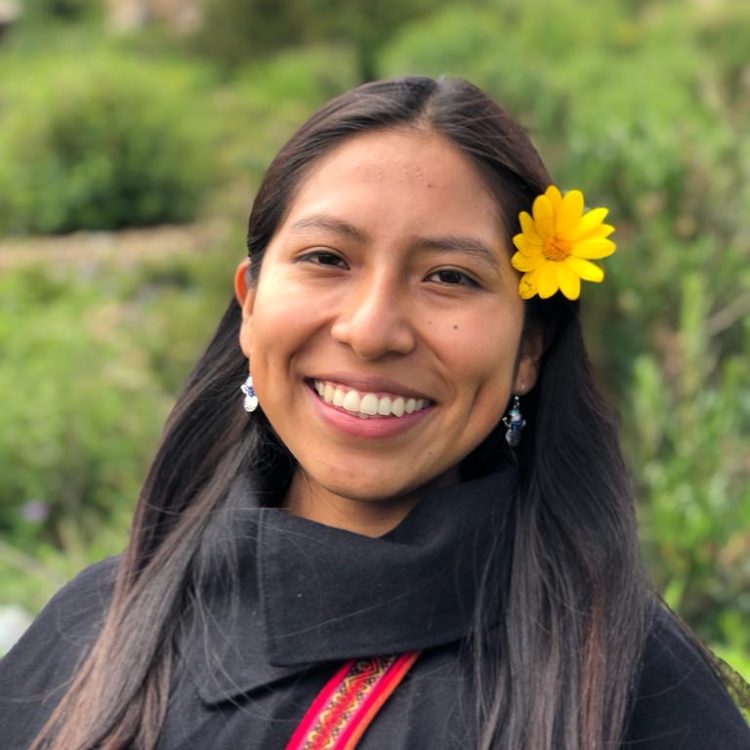 Dayana Blanco
Uru Uru Team Member
 Yen Parico
Co-founder Eco-Jipe Programme
 Francisco Lara Fletes
Political Scientist and past Iris Project Advisor
 Kate Rothschild
Iris' Mother, Environmental Philanthropist & Music Industry Executive
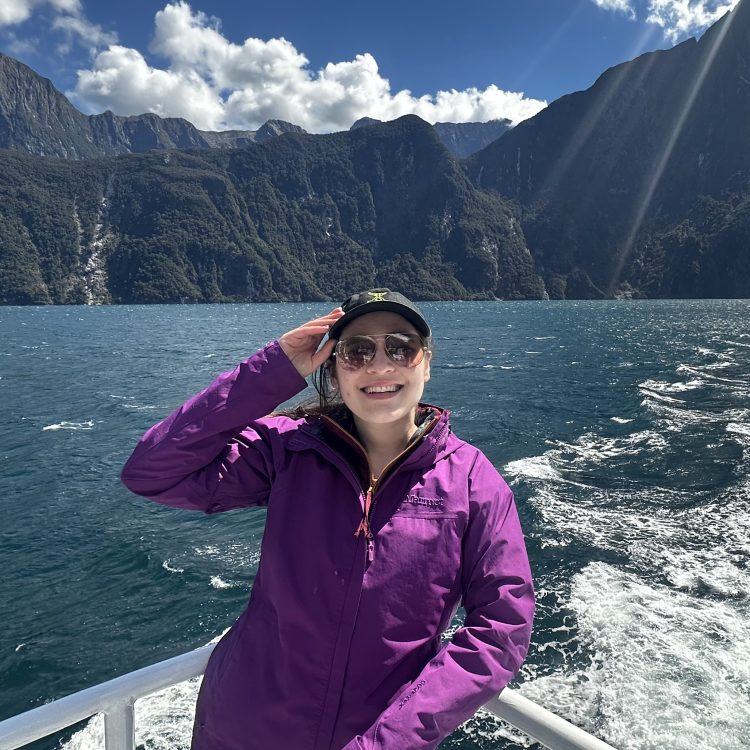 Marina Melanidis
Founder Youth4Nature
 Sam Bencheghib
Co-Founder of Sungai Watch
 Stanley Anigbogu
Founder of LightEd
“People manage systems and for a youthful continent like Africa, the hope for resilient systems against the climate catastrophes and political crises depend on the visionary institutions that currently fund young people to explore their creativeness, this is why The Iris Project is dear to me.”
“Investing in youth-led nature projects recognises that Indigenous youth stand at the intersection of ancestral knowledge and innovative solutions. Their leadership strengthens cultural identity while advancing sustainable pathways to protect ecosystems. Funding these initiatives is not only support for environmental action—it is a commitment to justice, resilience, and the preservation of life for future generations.”
“In conservation, we often talk about protecting nature for future generations but rarely about trusting those same generations to lead that work now. What young conservation leaders lack isn’t commitment or vision – it’s access to funding, platforms, and legitimacy. When I think about funding youth-led nature projects, I think about continuity. About guaranteeing that the future of conservation is not inherited passively, but actively shaped by those who will live it.”
“The Iris Project is so important to me because not only does it honour the memory of my brilliant, nature loving daughter Iris, it also supports young people in the fight for their future, and there is nothing more important than that. Iris would have been so proud of what The Iris Project has set out to achieve.”
“Receiving the funding that meant I could start building Youth4Nature changed my life – I am a better leader, activist, and friend, because of the opportunities that funding helped catalyse. Funding youth-led projects means that we are investing in ideas and in people who are not only the environmental leaders of tomorrow, but who are actively creating change right now. Few things are more impactful and exciting than that.”
“Supporting youth-led initiatives is one of the most impactful ways we can drive meaningful change. When young leaders are given the resources, recognition, and support they need, they create innovative solutions to the world’s most pressing challenges. The Iris Prize plays a crucial role in amplifying their voices, and I’m honored to be part of this journey.”
“Funding youth-led nature projects is one of the most powerful ways to invest in long-term climate resilience. Young people are not just beneficiaries of environmental change; they are architects of the solutions. When we back their ideas early, we unlock innovation, courage, and community-driven impact at scale.”
FAQs
Got questions about the Prize or how to apply? Here are the answers to some of our frequently asked questions.
Can I print-out the application form and fill it in offline?
Yes, you can. A PDF version of the form can be downloaded in English, Spanish, French, Portuguese, and Arabic.
Do you only support projects that already exist?
We will consider any project for the Iris Prize which supports our core principles; namely championing the protection and restoration of nature, and rights of those working to defend it. We recognise that nature restoration takes a variety of forms – from traditional land stewardship, to innovative technological solutions. As such, the Iris Prize will look to reward new ideas and established projects, hoping to overcome the circumstantial barriers that too often prevent young people from being able to advocate for nature-related change.
How can I apply?
Provided you fulfil our awards criteria, you are eligible to apply for an Iris Prize. You can either fill out an application yourself or ask a nominating partner to support you to do so. Go to our website’s ‘How to Apply’ section to learn more.
Why young people?
Young people are at the centre of a global movement calling for urgent action to address the climate and ecological emergency. While this movement has brought hope to many, we recognise that young people must be more effectively compensated for their efforts, with less than 1% of institutional climate funding being directed towards youth-led projects. They are being given all the responsibility for “saving the world” but reap none of the rewards. The Iris Project hopes to address this through the provision of grant funding and mentorship that can harness young people’s potential whilst rewarding them financially for their work.
Why nature?
We believe that the protection and restoration of nature should form a central part of any strategy seeking to mitigate the impacts of climate change. Whilst this should not be treated as an alternative solution to the rapid and urgent decarbonisation of the global economy, we recognise the multitude of benefits that locally-led nature restoration can bring, especially when approaches are grounded in justice, equity and inclusion.
What do you mean by 'Capacity-Building'?
Building someone’s ability to deliver on the objectives of their project. All prize winners will receive individualised capacity-building support, helping them maximise their project impact; this could take the form of anything from media training to financial support for our prize winners’ families to enable them to spend more time on their projects. All winners and runners-up are invited to join the youth-led CoalitionWILD 6-month Leadership Development accelerator programme.
How do you manage risk?
We are wholly committed to championing the protection and restoration of nature and the rights of those working to defend it. We understand that this commitment does not come without risk, and we want to ensure that the rights and lives of our prize winners and their families are more important than their project. We are a responsive assistance partner of Open Briefing which means anyone in The Iris Project ecosystem can access fully-funded holistic security, mentoring and/or psychological well-being support at any time of the year. We want to ensure that – should it come to it – our support can rapidly be delivered whenever they might need it. If anyone in The Iris Project ecosystem feels they may be at risk they can email prize@theirisproject.org.
Do applications have to be in English?
We do not want language to become a barrier to prize funding. As such we accept applications in any language and have translated the application form into Spanish, French, Arabic and Portuguese. We also accept both audio and written submissions.
How are you reviewing applications?
Our thorough selection process involves meticulous reviews of applications against our eligibility and scoring criteria. The Advisory Panel and The Iris Project team collaborate in small groups to ensure a comprehensive and unbiased assessment for each prize category. They nominate five to seven outstanding projects, creating a shortlist of twenty initiatives for evaluation by our expert Judging Panel. After the Judging Panel’s verdict, the Advisory Panel and The Iris Project collaborate for final decisions, prioritising thematic and geographical diversity among award-winning projects. Shortlisted candidates must provide two references for added validation to enhance transparency and credibility.