Can you bring to life how the last 6 months have gone for you as a project leader?
The last 6 months have changed a lot, and we are in awe at how far we’ve come. The Iris Project has become a safe space for us, where we’ve grown emotionally and mentally and built where we feel emotional and mental growth, but also hard skills in leadership and project management.
Through the capacity-building opportunity with the MareCet Research Organisation in Malaysia, we gained valuable knowledge in marine mammal research and conservation, including drone programming, and developed a system that will support our drone survey operations. We also learnt about the importance of ethical considerations in conducting interviews and surveys, particularly when engaging with local government units and coastal fishers. 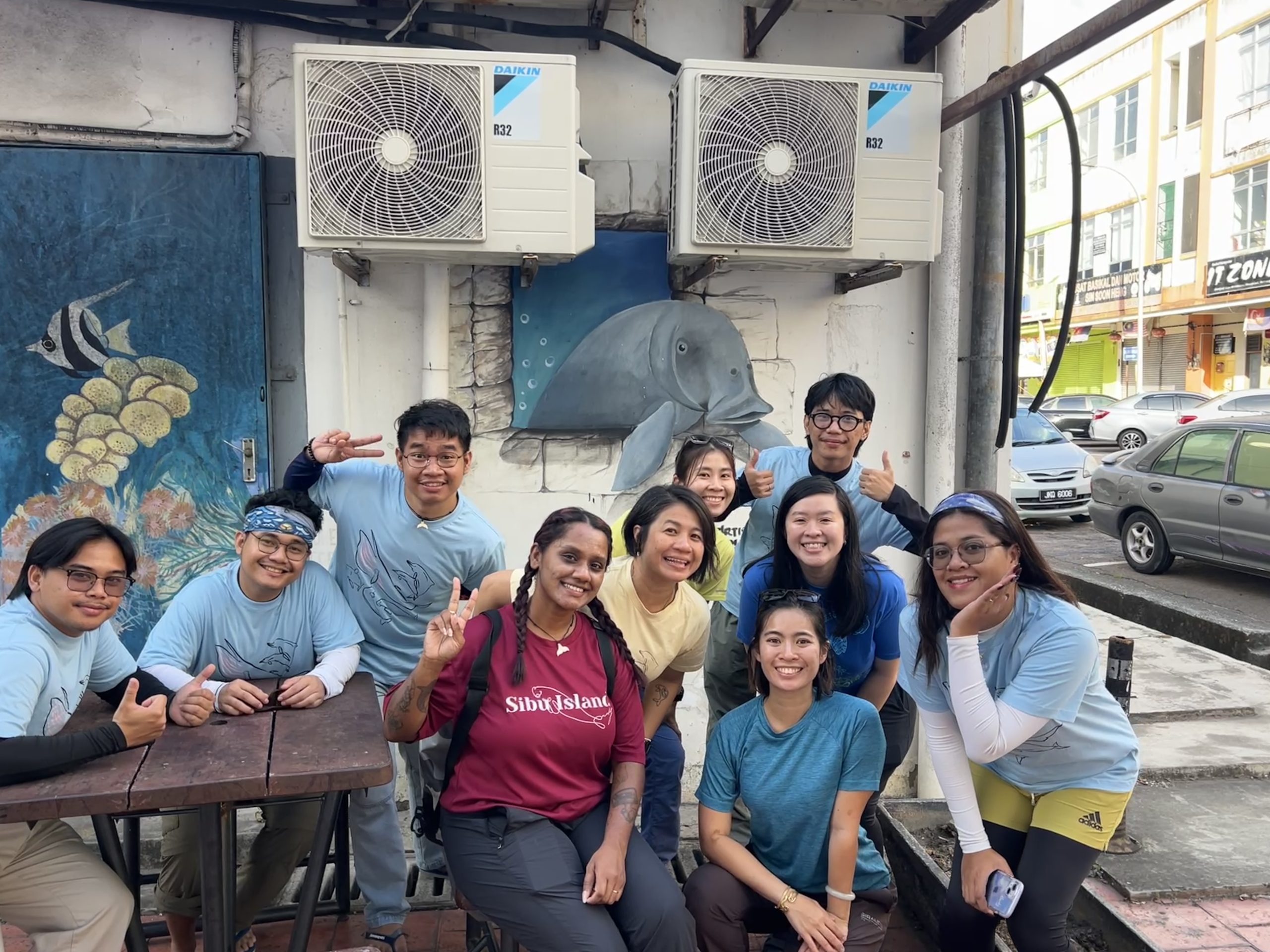
Due to the devastating 7.8-magnitude earthquake that recently hit our area, the team decided to postpone the Key Informant Interviews (KIIs) and drone surveys. We’ve also struggled with getting permits to access protected areas so we can conduct our site research, which has slowed down our workflow. But obstacles like these are unfortunately common, especially for emerging researchers.
Despite these setbacks, we managed to programme the flight plan for our drone survey monitoring and completed the mapping of survey areas, while preparing and coordinating with relevant organisations for our KII and drone surveys. If all goes well, we plan to resume our work in the last week of August 2026.
We’re currently writing a manuscript on the Local Ecological Knowledge of fishers on dugongs in the Sarangani Bay Protected Seascape for a research publication. So far, we have interviewed about 20 fishers who perceive that dugongs are declining and should be protected. This paper has also been accepted for a presentation at the Society for Marine Mammalogy’s 26th Biennial Conference on the Biology of Marine Mammals. This is the largest gathering of marine mammal conservation scientists and managers across the world, and we couldn’t be more excited to share the work that we do for dugongs in the Sarangani Bay!
What has changed for you and the project since winning the award? Were any of these outcomes unexpected or surprising?
We are able to give back to our community by bringing more young people into the conservation space and supporting them. We now have interns, and every time we meet with them it’s very energising. They are proactive and enthusiastic, and we are proud they have been able to apply and get accepted into camps and events to learn and spread the word about dugong conservation.
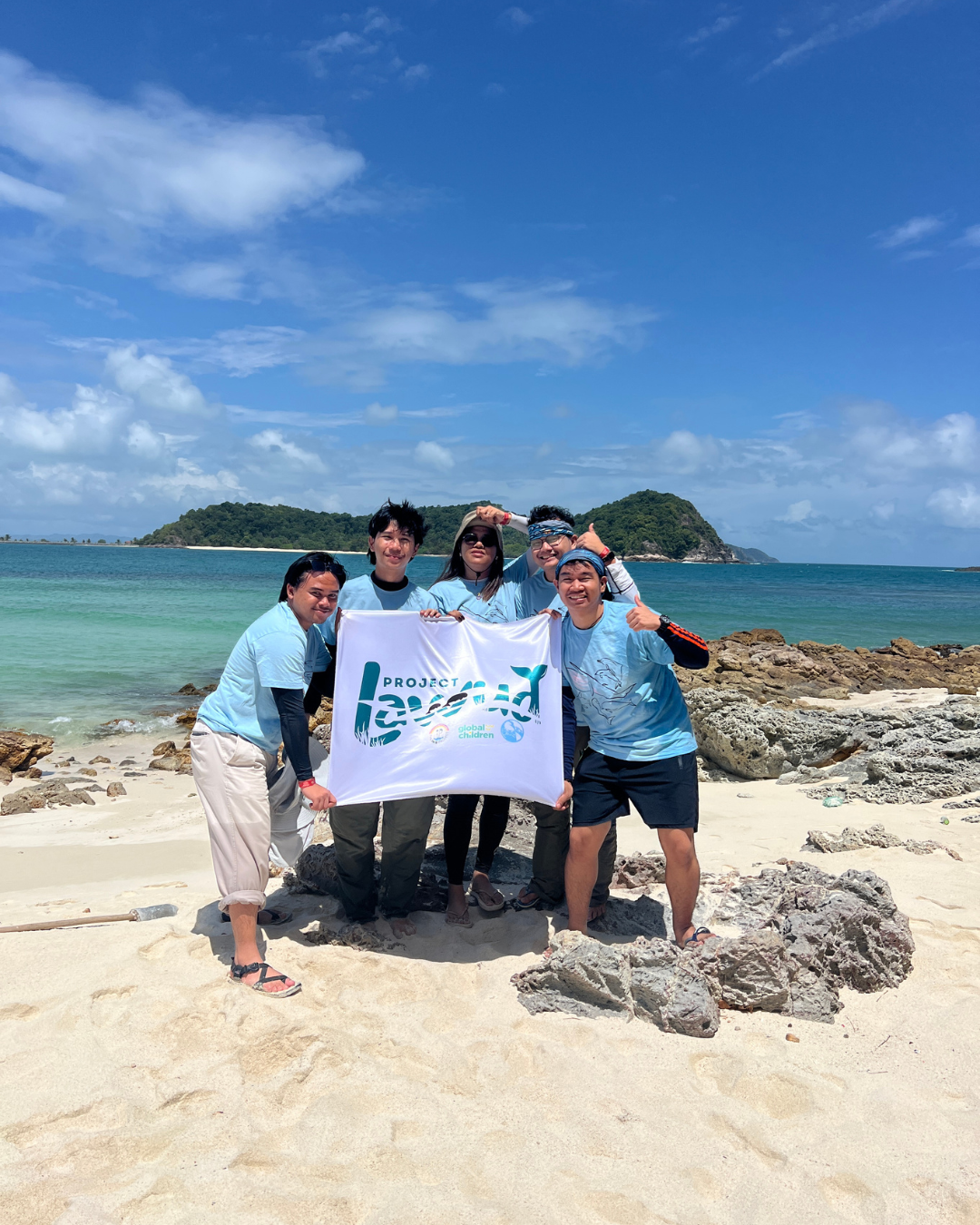
On an individual level, winning the Seed Prize and working on Project Lawud gave Christian a clear path on what he wants to do moving forward, resolving the dilemma between passion and “being realistic” in the Philippine economy. He’s had a visible growth in confidence, public speaking, and dugong and broader marine biology knowledge. He was also nominated for a National Geographic Young Explorer award, and although he was not selected, the exposure in such a space was quite valuable. Honeylyn’s confidence also grew, and she was able to make deeper community connections. She works at the port, so she sees the fisherfolk daily and talks with them constantly. Project Lawud gave her a subject to connect on, and that bond has made them more open to sharing stories about what they see out on the water.
How has managing this project changed the way you think, lead, or act within your community?
Our experience with managing Project Lawud has shaped how we all think, act and lead. We’ve shifted away from data-only thinking to listening to communities with first-hand environmental knowledge because that is just as critical.
Conservation is for the community, not only for the dugongs.
We’ve learnt to prioritise communication with communities in the dialect or language they are speaking in order to convey information in a way that doesn’t feel prickly. We’ve learnt to adapt communication styles to different stakeholders: from fisherfolk to local government and international organisations.
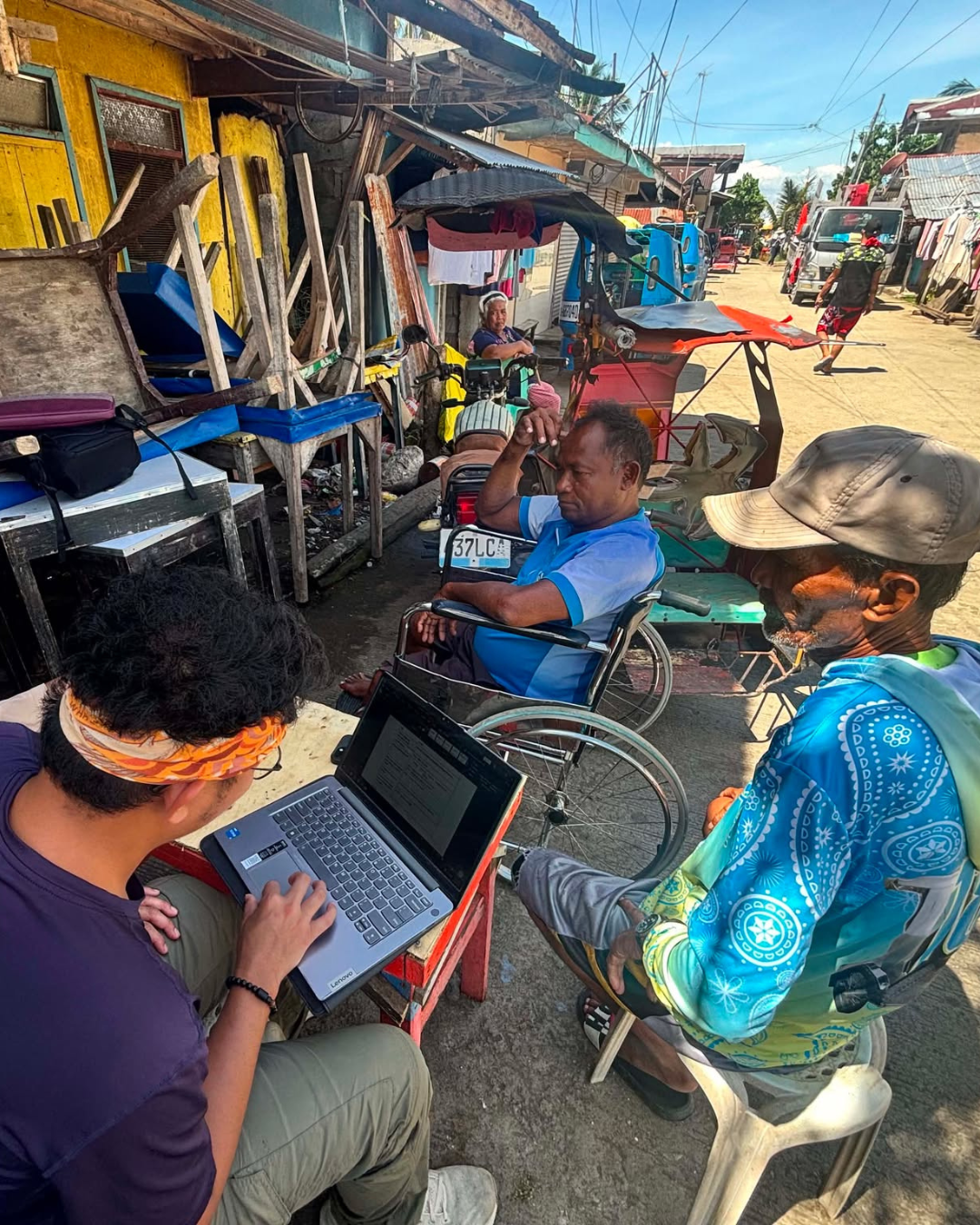
Improving communications has also helped us with our credibility. One of our teammates used to be called a rebel and was red-tagged by some workers in the very government who should be taking care of nature. One time, the research clearance we were requesting took 3 hours to be approved because they wanted to make sure we were not funded by any international militants. But now, they’ve seen the value of Project Lawud. They have even funded us for a youth-led marine mammal conservation activity and are helping us secure funding by providing letters of recommendation to submit to the funders. It shows the relationship we have with the park managers is slowly growing into a meaningful one.
And of course, our confidence has grown: in the science we do, in our project management skills, in connecting with fisherfolk and national and international stakeholders, and in the future of this project.
How has it been to work with The Iris Project in a trust-based and unrestricted way? How have you felt as a grantee?
As this is our first experience managing a grant, we genuinely feel that The Iris Project provided all the support, resources, knowledge, and guidance that we needed throughout the journey. The programme equipped us with valuable skills and learning opportunities that helped us navigate challenges and progress with confidence.
The Iris Project team is flexible, understanding, responsive, and supportive whenever we need help, which has made this whole experience very easy. We particularly appreciated the flexibility in how the budget could be used, as sometimes plans change; the bespoke support and our mentors (shoutout Javie and Sumarni) who were there to proactively help us; and the learning offered, which was driven by what the team actually wanted to learn, not a standard one-size-fits-all programme.
What piece of advice would Project Lawud’s team give to someone starting their journey as an environmental leader?
Diofel: “You may be scared to start because you don’t know where to look, and who to reach out to. You may not have a team. But put yourself out there. Take that risk, as change comes with risks. And find good mentors to support you throughout your risk-taking. Reach out to people in your community: park managers, professors. Their mistakes will improve your work!”
Honeylyn: “Don’t be afraid to try new things. Take risks. Before becoming The Iris Project grantees, we applied to many funding opportunities to kick-start our initiative. They weren’t fruitful. It takes just one organisation to take a chance on you.”
Christian: “Keep showing up, even when you feel doubt or like you are not qualified enough. Practice intentional serendipity, put yourself out there and manifest those opportunities. And when burnout inevitably hits, remember your purpose! It will reignite your passion.”
And lastly, what exciting things lie ahead for you and your project?
Several exciting things are on the horizon. Over the next few months, we are expanding into a new area in the northern part of Mindanao. We are looking to reach and engage new youth audiences and teach them about dugongs, sharks, sea turtles, conservation recommendations for the area, as well as the importance of policymaking.
Our KIIs with fisherfolk continue, and the data we gather will go to park managers to feed into their marine spatial planning.
On the research side, a publication on dugong habitats and citizen science data is underway. We hope this will help us establish Sarangani Bay as an Important Marine Mammal Area (IMMA), where dugong is the qualifying species. IMMAs are global conservation sites identified by the International Union for Conservation of Nature. The designation would give the park managers of Sarangani Bay a science-based basis for protecting dugongs and their seagrass habitats through marine spatial planning. What makes this useful is that the way we did this can be replicated by tropical seascapes that are experiencing the same situation as us: data-deficient, underfunded, and lacking institutional support. Stay tuned for more on that!
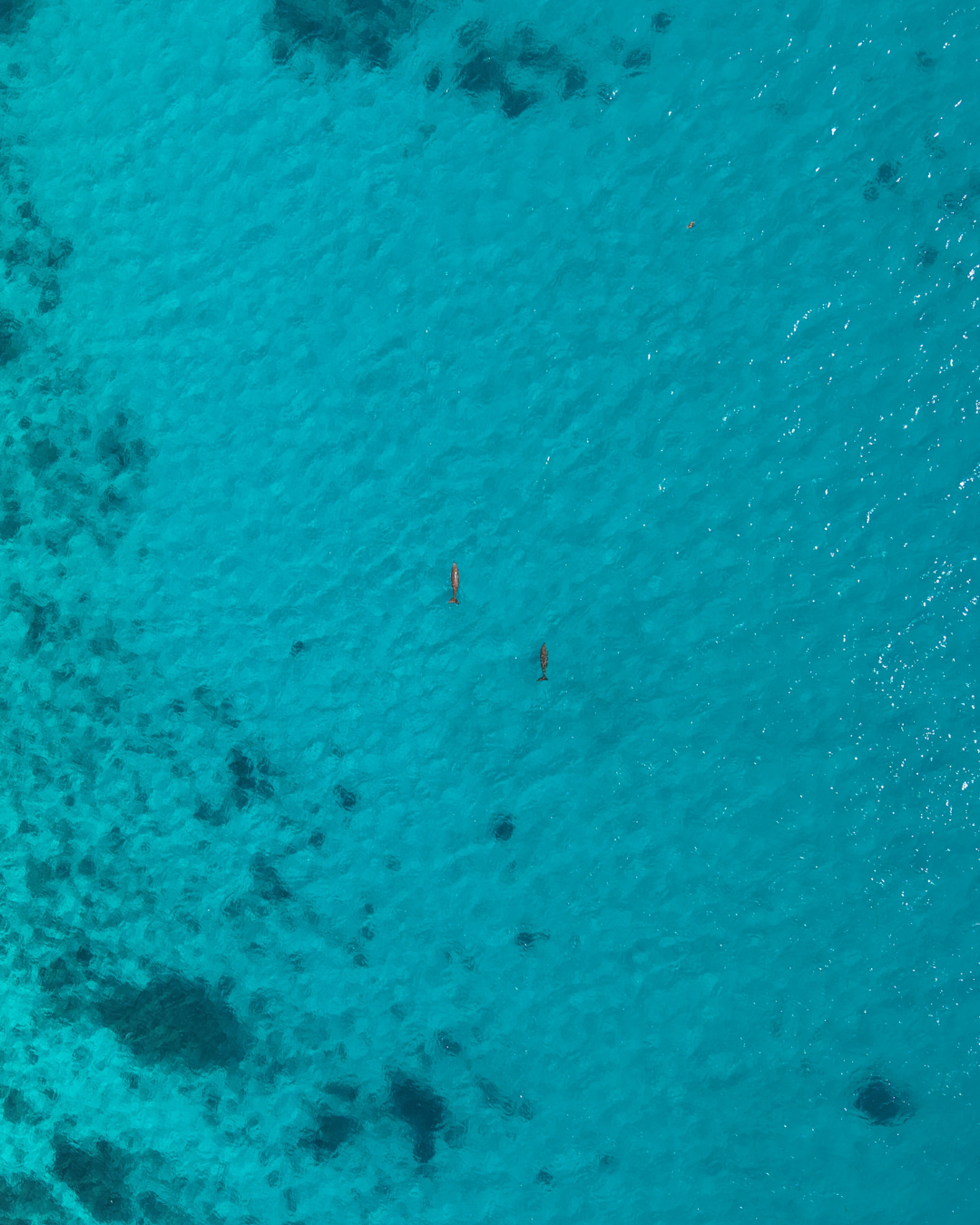
New collaborations are also on the horizon. We are in talks with a National Geographic Young Explorer from Laos on a sustainability plan and scientists from Japan on a couple of topics. Here’s where the repeat funding really plays an important part!
And lastly, fundraising! We really appreciate the Youth Funding Toolkit, and have applied for several funding opportunities using it.
Collaboration, fundraising, publications and community…Project Lawud does it all!